Overview
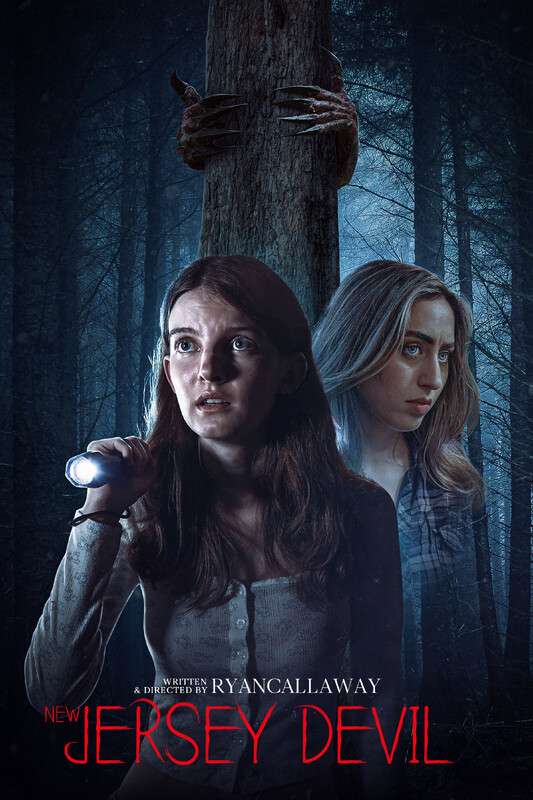
New Jersey Devil is a haunting exploration of the intersection between folklore and modern societal challenges, directed and written by Ryan Callaway. The film delves into themes of addiction, poverty, and the persistent influence of historical narratives on contemporary life. Set against the backdrop of a small town deeply entwined with the legend of the Jersey Devil, the story unfolds through the eyes of relatable characters grappling with their own demons. As they uncover truths about the past, they confront the pervasive issues affecting their community. The collaboration between Callaway and producer Kailee McGuire brings a powerful vision to life, masterfully balancing suspense and emotional depth. This film not only entertains but also invites viewers to reflect on how personal and collective histories shape our realities.
Acting
The performances in New Jersey Devil are commendable, particularly that of Jeremiah and Sophie. Their portrayals encapsulate the emotional weight of their characters, effectively conveying the tension and desperation of their situations. The supporting cast, including Sheila and Adrian, also delivers strong performances, adding depth to the narrative.
Dialogues
The dialogues are realistic and impactful, enhancing character development and driving the plot forward. Lines such as “We won’t make a decision without talking it through” reflect the film’s focus on communication and family dynamics. The exchanges often evoke a sense of urgency and authenticity, drawing the audience deeper into the story.

Background Music
The background music plays a crucial role in setting the tone throughout the movie. The use of dark percussive music during tense moments contrasts beautifully with the peaceful melodies in scenes of respite. This careful selection enhances the emotional stakes and keeps viewers engaged, as the music shifts seamlessly between suspenseful and uplifting.
Camera Work
The cinematography is another highlight, with dynamic camera angles that add to the film’s intensity. Close-ups on characters’ faces during pivotal moments allow viewers to connect with their emotions, while wide shots of the surroundings create a sense of isolation. The use of lighting is also noteworthy, with darker scenes effectively conveying a mood of despair, while brighter scenes hint at hope.
Direction
Ryan Callaway’s direction is skillful, balancing complex themes without overwhelming the audience. The pacing is well-handled, allowing moments of tension to breathe while still building towards climactic scenes. The film’s ability to weave together multiple storylines showcases Callaway’s vision and understanding of the material.
Conclusion
Overall, New Jersey Devil is a compelling film that addresses significant societal issues through the lens of personal struggle. With strong performances, authentic dialogues, impactful music, and impressive cinematography, it leaves a lasting impression. This film is a must-watch for those who appreciate narratives that combine emotional depth with relevant themes.