Synopsis
On a dark and silent night, Olivia Harbour leaves a haunting voicemail moments before she is brutally murdered by an unseen assailant. Her final words hint at confusion, regret, and a choice she can no longer undo.
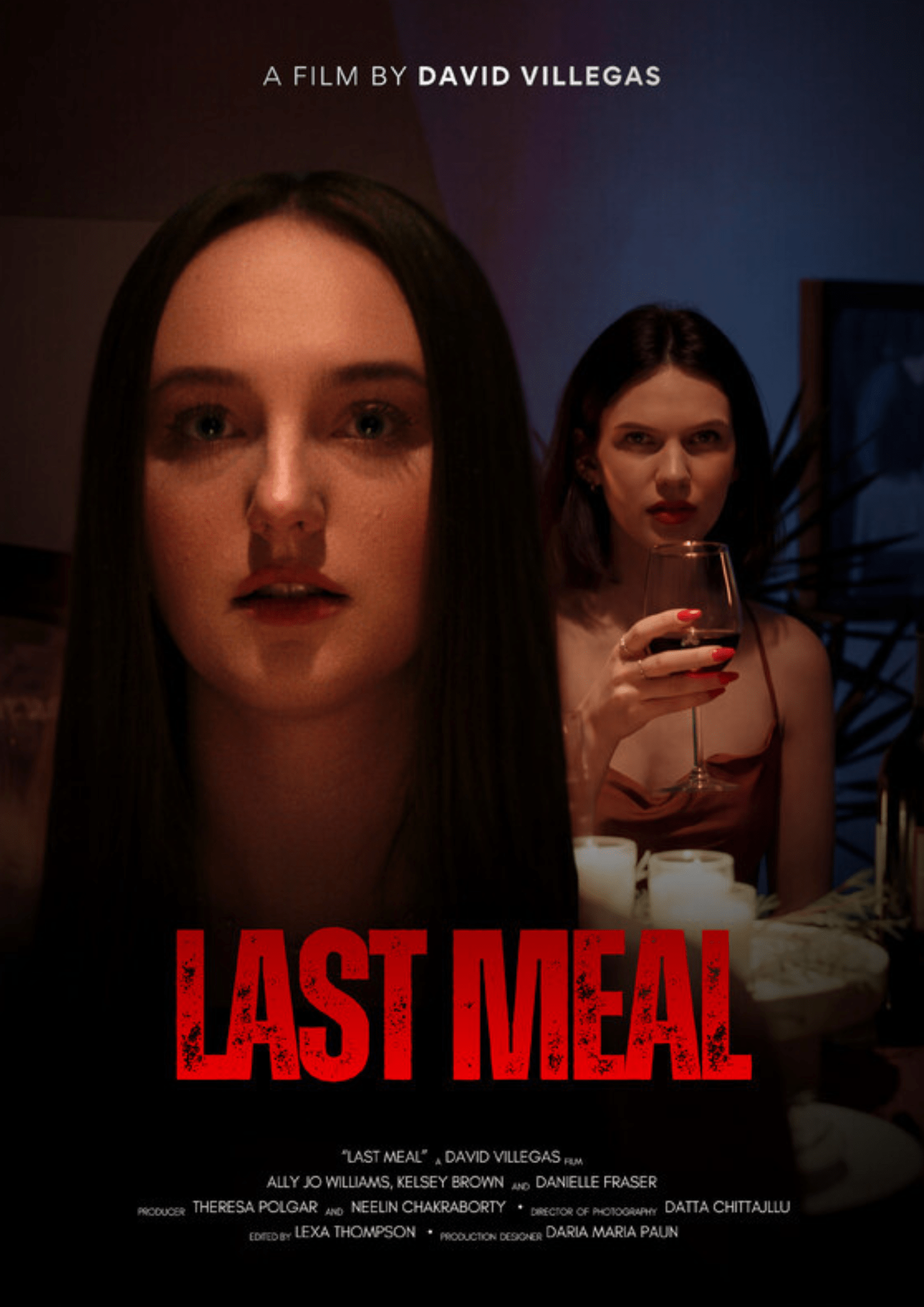
Days later, Olivia’s sister, Daisy Harbour, arrives at a quiet suburban home carrying a bottle of wine and a hidden agenda. Inside, she meets Amelia Franklin, a warm yet unsettling woman who runs a clandestine operation offering what she calls a “service” to those in emotional pain. Behind her polite demeanor and carefully staged dinner lies a chilling truth, Amelia facilitates assisted deaths for vulnerable individuals seeking escape.
As the two women sit across from each other, their conversation begins as a tense but civil exchange, gradually unraveling into a psychological confrontation. Daisy secretly records their interaction, probing Amelia about her work and challenging her moral justifications. Amelia, in turn, deflects with dark humor and philosophical reasoning, insisting that she is alleviating suffering rather than causing it.
The tension escalates when Daisy reveals her true motive, Olivia was her sister.
Amelia admits to being involved in Olivia’s death but twists the narrative, suggesting that Daisy’s own past actions and emotional absence contributed to Olivia’s despair. As the conversation grows more intimate and accusatory, buried guilt and unresolved trauma surface. Daisy is forced to confront her own role in her sister’s suffering, including a violent act she believed was justified.
In a shocking turn, Amelia realizes she has been poisoned by the very wine Daisy brought. Rather than resist, she accepts her fate with eerie calm, framing her death as a continuation of the same “service” she once provided to others. As the poison takes hold, Amelia thanks Daisy, blurring the line between victim and accomplice.
Left alone with Amelia’s body, Daisy listens to Olivia’s final voicemail. What began as an act of revenge becomes something more ambiguous. As she processes the weight of her actions, a subtle shift occurs, her grief gives way to something darker, more uncertain.
In the end, Daisy sits in Amelia’s place at the table, the boundaries between justice, guilt, and control dangerously blurred.
Best Cinematography Short Film
⭐⭐⭐