
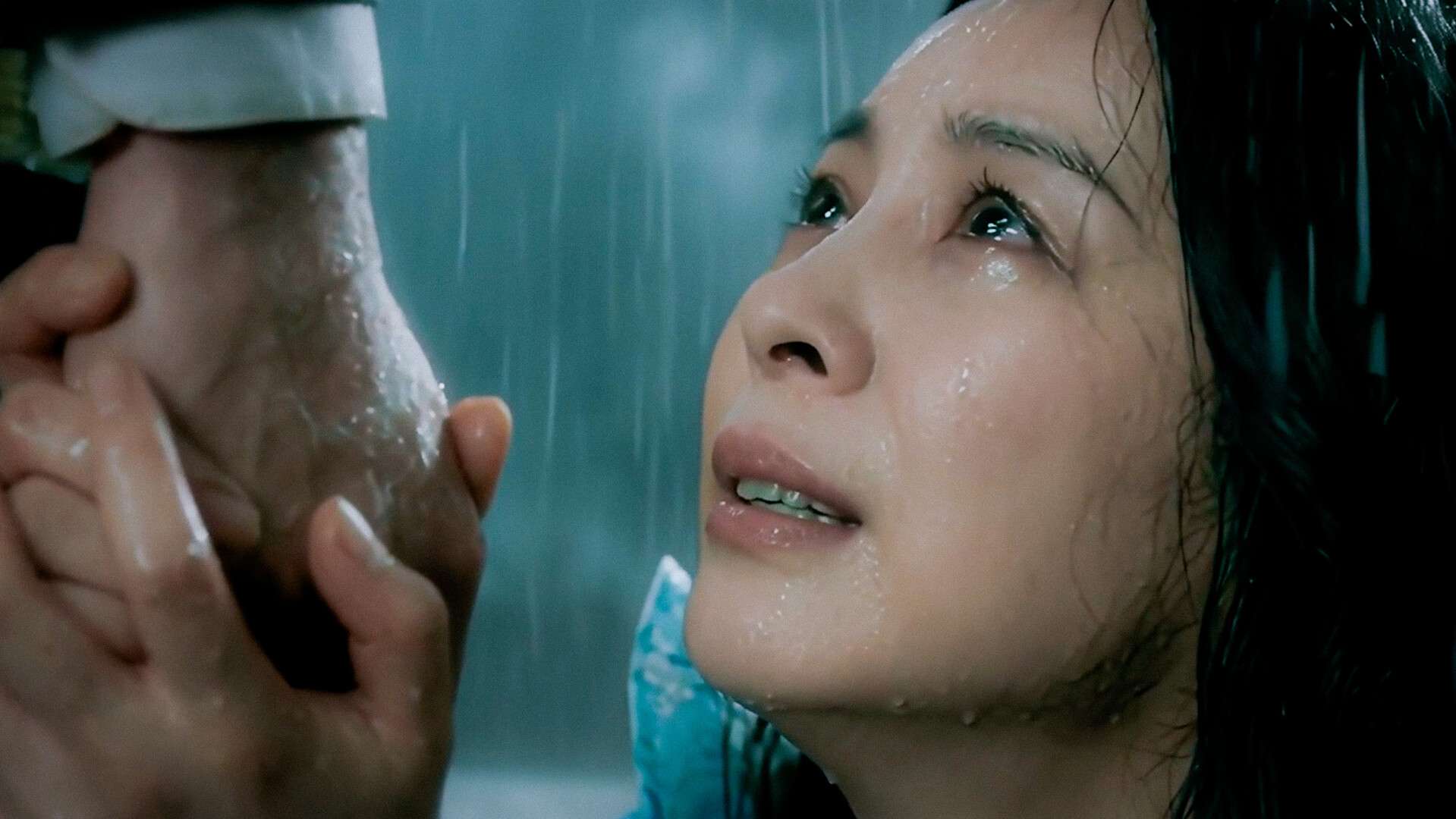
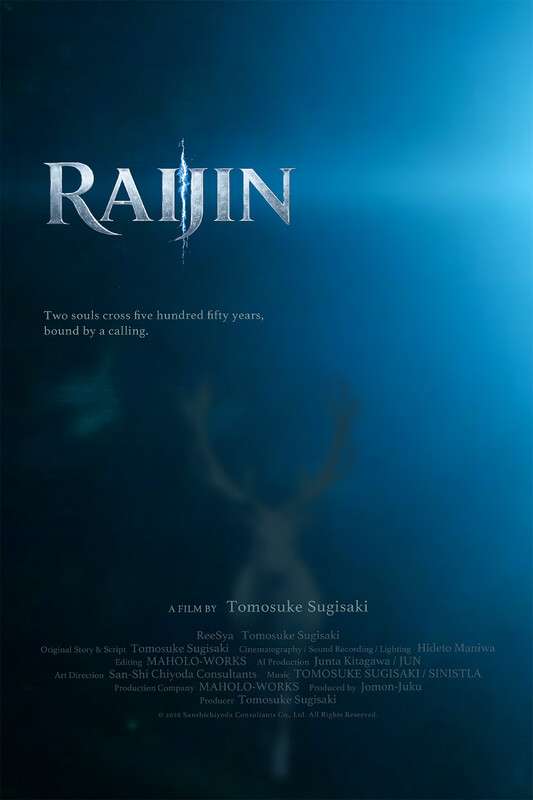
Raijin is a fantasy drama about understanding, memory, and a bond that reaches across lifetimes. It moves between Mari and Kori’s contemporary story, a supernatural bathhouse, and the Warring States era. The many strands can make the story feel ambitious and occasionally crowded, but the synopsis and supplied scenes point to a clear emotional center: Mari’s effort to understand Kori and uncover the past that connects them.
Plot
Mari Kosugi works at Toto Radio, where she is assigned to visit Kori Yamabuki, a reclusive radio-drama writer who has Tourette syndrome and struggles with communication. Their relationship develops gradually as Mari learns to listen and understand him. Kori tells her about the Thousand-Year Bathhouse, a mysterious place said to exist between this world and the next, and gives her an ancient Jomon Flute.
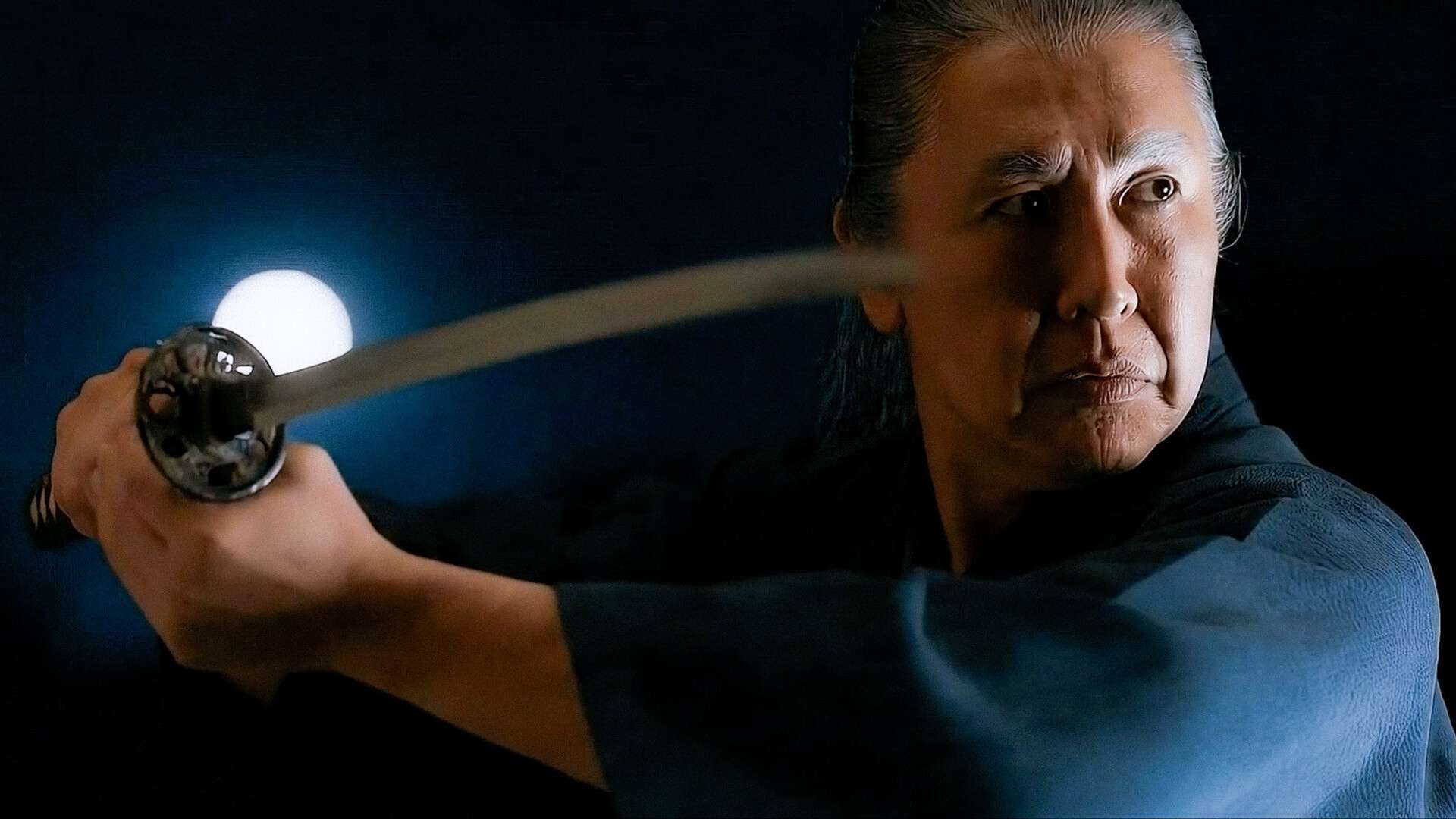
When Kori disappears, Mari follows the flute to the bathhouse and travels 550 years into the past. There, she encounters Kori’s former life as Kageharu Nagao, a warrior embroiled in a long-running conflict with Ota Dokan. Kageharu believes he is fighting to correct a political injustice: after his father’s death, authority that he expected to inherit was given to his uncle, and Dokan betrayed him by passing his plans to their enemies.
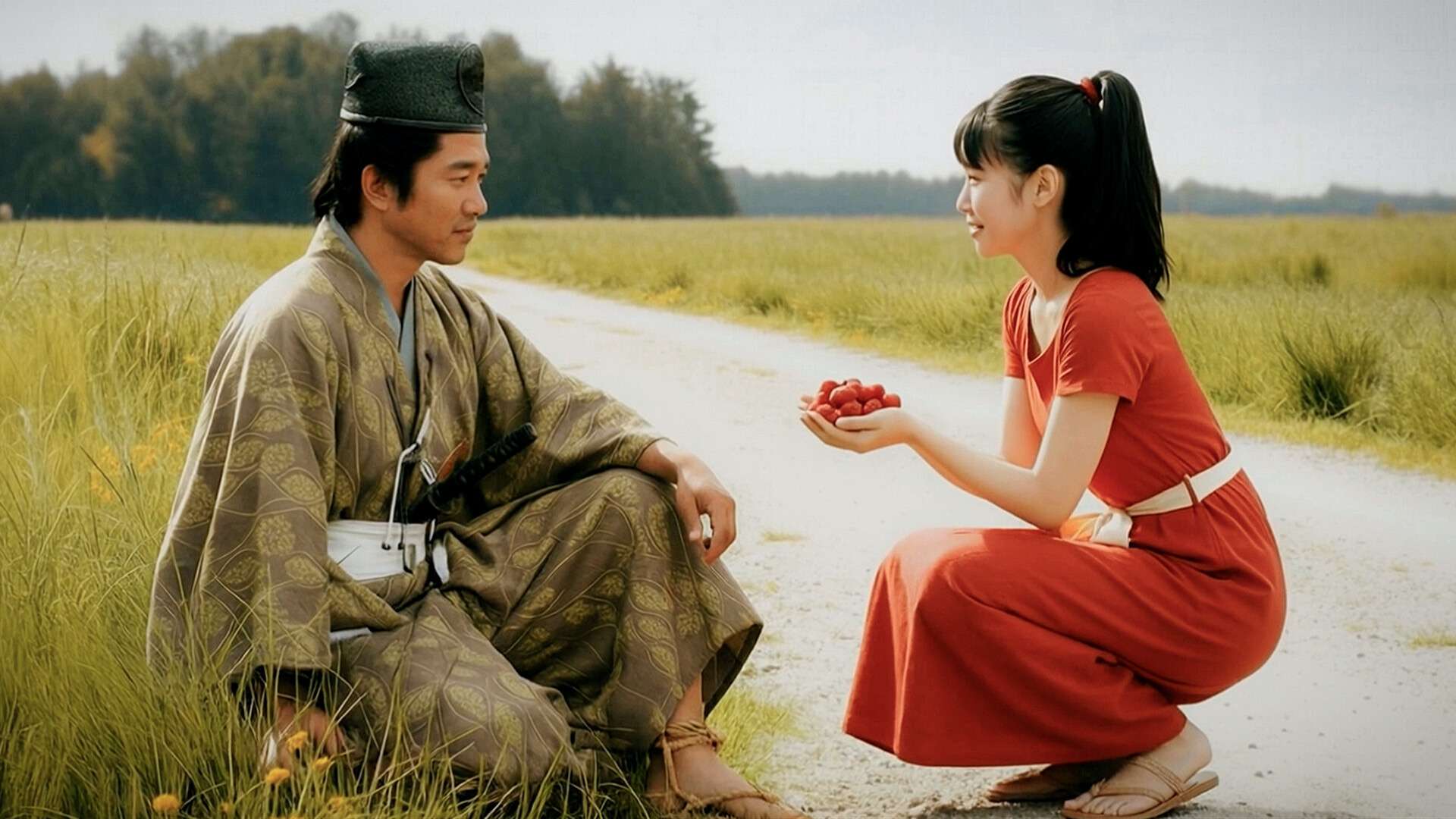
The historical story also shows Kageharu’s gentler side. He is an artist who repairs a family’s torn sliding door and paints a frog on it; when the frog seems to croak, the scene captures the film’s blend of history, folklore, and fantasy. His companionship with Neko adds humor and warmth. Their conversations about food, humanity, and whether Neko is truly human provide a lighter counterpoint to the political conflict.
Mari’s journey is ultimately about more than witnessing the past. To save Kori, she must awaken her own sealed memories and discover how their lives and choices are connected. The bathhouse and flute serve as gateways to that deeper story.
Themes and style
- Communication and empathy: Mari’s growing understanding of Kori gives the fantasy adventure its emotional foundation. Their relationship suggests that connection can develop through patience and attention, even when communication is difficult.
- Memory and past lives: Kori’s life as Kageharu and Mari’s forgotten memories make the past part of the present. The story asks whether old bonds and unresolved choices can endure across centuries.
- Justice and betrayal: Kageharu’s conflict with Dokan explores political power, loyalty, and the consequences of betrayal.
- Art and storytelling: Kori’s radio writing and Kageharu’s painting offer ways to express what ordinary conversation may not. The film’s comic radio-play material also contrasts with its more serious historical and emotional scenes.
- A mix of tones: The supplied scenes shift between drama, comedy, folklore, and supernatural adventure. This variety can be charming, though it may also make the film feel uneven if the different strands do not come together smoothly.
What works well
- The premise—an ancient flute, a bathhouse between worlds, and two people connected across lifetimes—is imaginative.
- Mari and Kori’s relationship gives the time-travel plot meaningful emotional stakes.
- Kageharu’s conflict adds historical drama, while his artistic and compassionate moments make him more than a warrior.
- Neko’s exchanges with Kageharu bring warmth and humor to the historical storyline.
- The bathhouse provides a memorable setting for a story about the boundary between past and present, life and death, and memory and forgetting.
What may be challenging
The story contains many elements: mental-health conditions, a modern relationship, a supernatural bathhouse, a historical political conflict, comedy, and past-life memories. That breadth may make the pacing and tone feel uneven. The film’s success depends on how clearly these strands connect to Mari and Kori’s central relationship.
Overall assessment
Based on the synopsis and supplied scenes, Raijin appears to be an imaginative, emotionally ambitious film about learning to understand someone and discovering that a bond may reach further back than either person remembers. Its strongest appeal is the combination of Mari and Kori’s quiet connection with Kageharu’s historical story. Its main risk is that the many genres and plotlines may compete for attention.
 Ratings
Originality of the premise
7/10
Emotional potential
7/10
Historical and fantasy world-building
8/10
Character and thematic depth
7/10
Clarity and balance of the story
6/10
Overall
7.5/10
Overall rating: ★★★★