
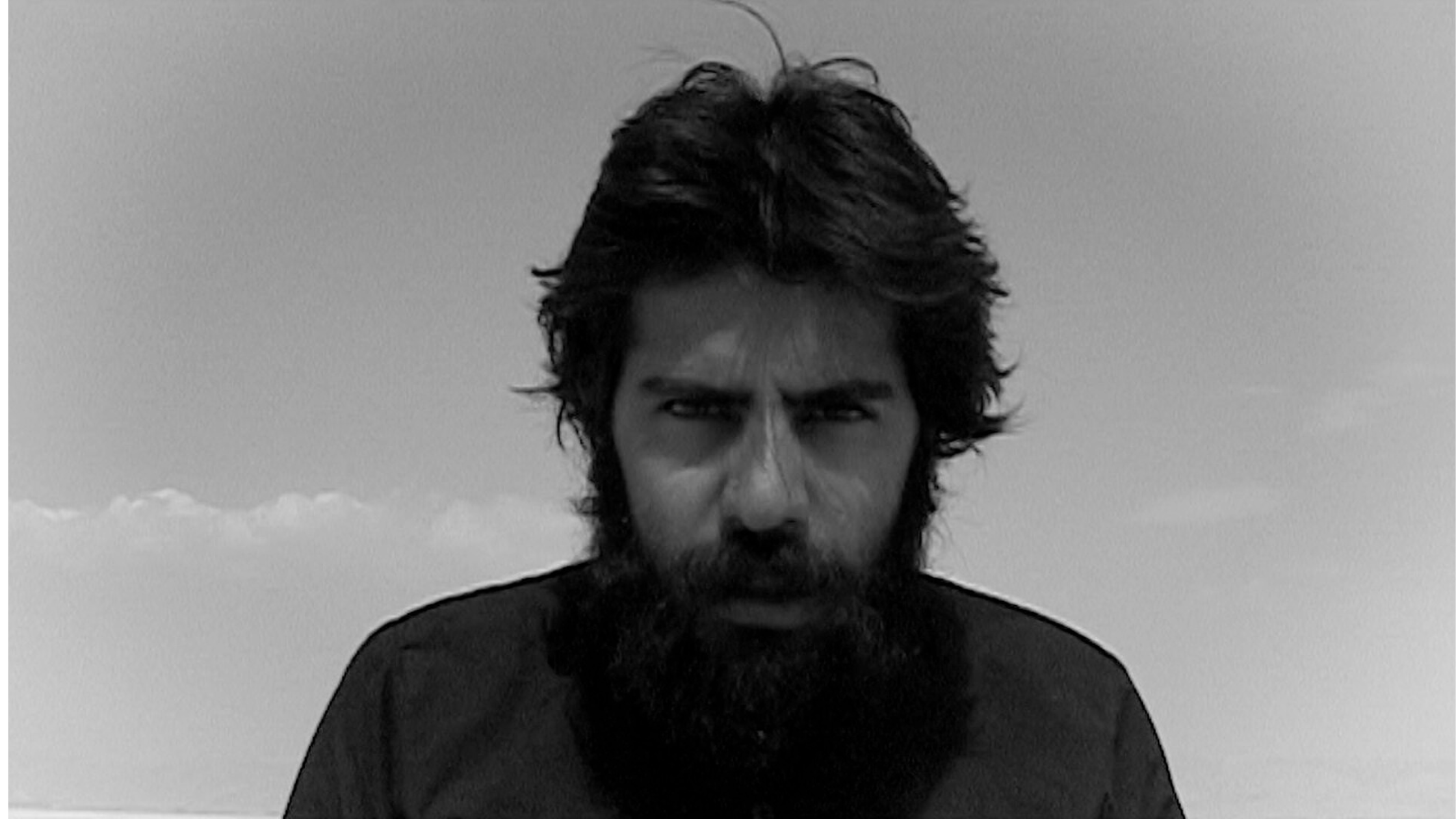
“Adrift,” directed by Amir Pooya, attempts to navigate the complex waters of human existence through its experimental lens. Unfortunately, the film ultimately leaves viewers stranded in a sea of confusion rather than illuminating the depths of its ambitious themes.
Concept and Execution
The film positions itself as a poetic exploration of human bewilderment, invisible destiny, and our endless longing to understand existence. While these are compelling themes, the execution falls short. The narrative is muddled, heavily laden with a confusing script that struggles to convey its intended messages. A more extended format might have allowed for a deeper exploration of its ideas, but as it stands, the film feels rushed and incomplete.
Cinematic Choices
Filmed in various locations, “Adrift” attempts to reflect the nuances of human behavior across time—past, present, and future. Yet, instead of enhancing the narrative, these choices often feel disjointed and lack cohesion. While the cinematography may showcase the beauty of its settings, it fails to anchor the viewer in the film’s central ideas.
Performance
The performances of the actors are commendable, with each bringing a level of sincerity to their roles. However, their efforts are overshadowed by a script that lacks clarity and depth. The film’s religious undertones, while intriguing, are not explored sufficiently, leaving audiences puzzled rather than enlightened.
Conclusion
In conclusion, “Adrift” is a film that grapples with profound themes but ultimately fails to deliver a coherent message. The potential for a meaningful exploration of existential questions is stifled by a confusing narrative and insufficient character development. While it may resonate with a niche audience interested in experimental cinema, most viewers will likely find themselves lost in its ambiguity.
“Adrift” may have aimed for the stars, but it ends up adrift in a sea of missed opportunities.
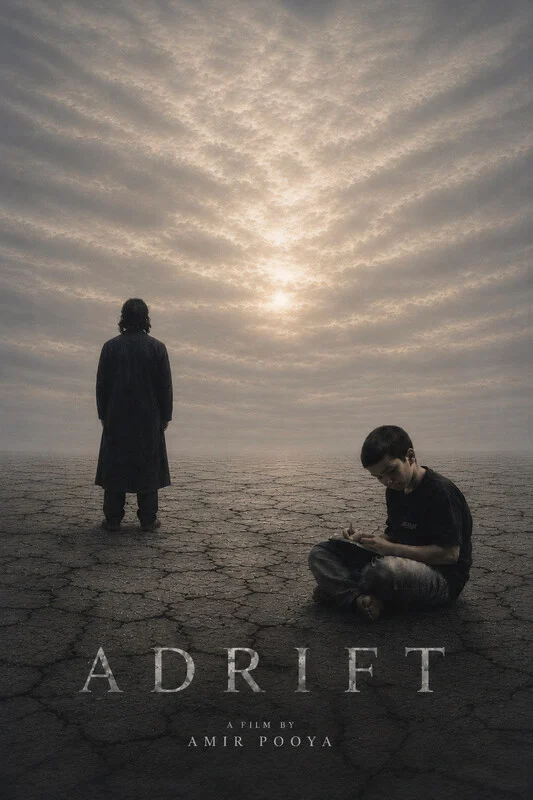
Rating: ★☆☆☆☆ (1 out of 5 stars)