
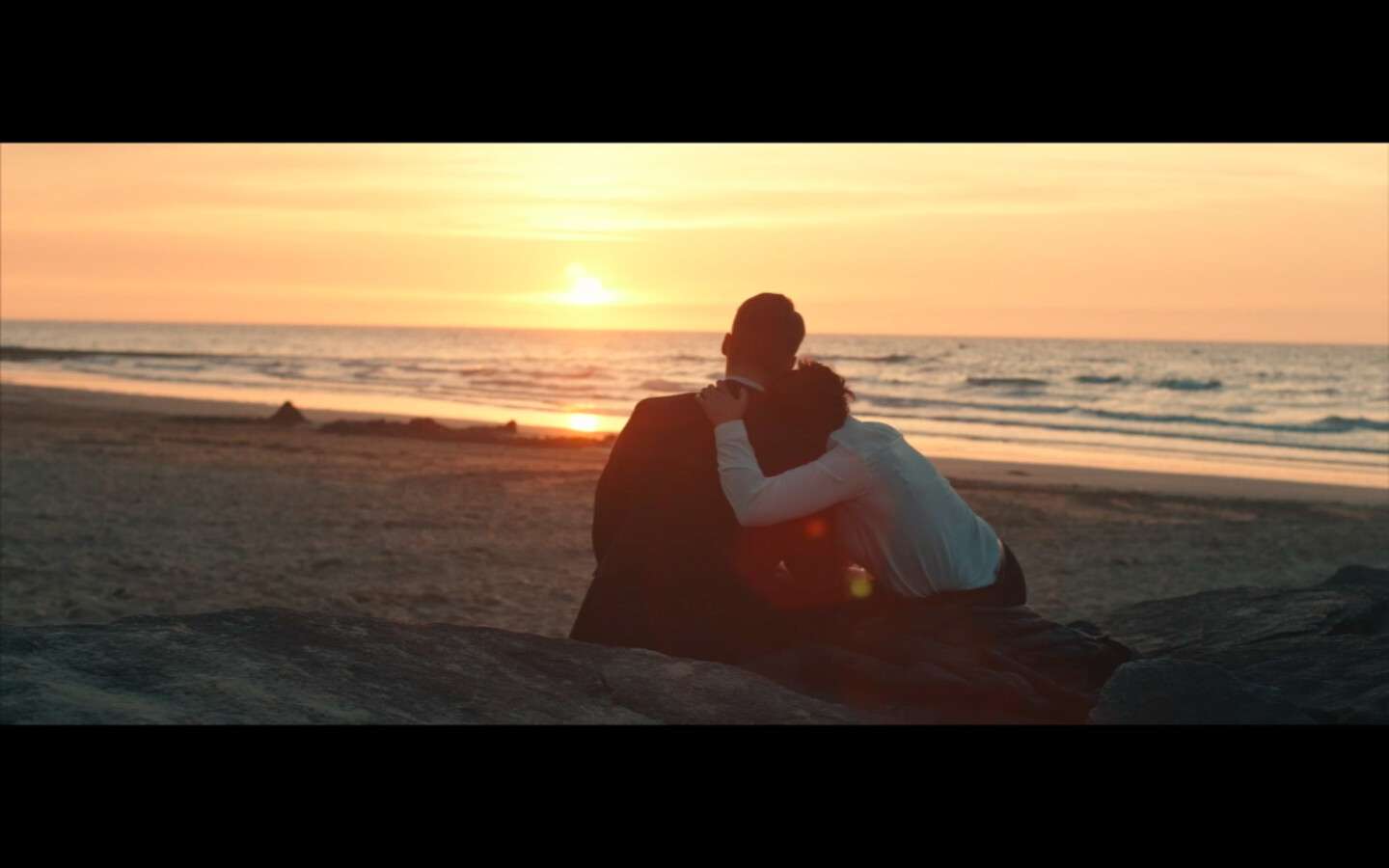
Directed by Terry Misseraoui and written by Théo Pano and Nicolas Moreau, and produced by Antony Clément. “To the World’s End” delivers a claustrophobic examination of domestic decay and the inescapable pull of a troubled past. This film, which recently participated in the Sweden Film Awards, won Best Actress in a Feature Film for lead actress Zina, showcasing her compelling performance.
Cinematic Style and Atmosphere
The film masterfully employs sound and setting to amplify feelings of discomfort. The background noise of a soccer match serves as a recurring motif, a trivial distraction that emphasizes David’s inability to focus on the human consequences of his actions. The narrative transitions from light-hearted discussions in a bar to the grim reality of a criminal roadblock, highlighting the limited horizons of the characters, where violence and desperation are the only available currencies.
The Anatomy of a Breakdown
At the heart of the film lies the tumultuous relationship between David and Zina. David embodies a frightening duality: he attempts the performative gestures of love while being consumed by violent, alcoholic rage. A standout sequence involves David following a YouTube cooking tutorial to surprise Zina with a meal of potatoes and carrots. The cheerful tone of the cooking video sharply contrasts with David’s mounting frustration, creating palpable tension. When the food inevitably burns, it symbolizes his failed attempts at a conventional life, mirroring the bitterness of his existence.
Generational Shadows
The film poignantly explores the “sins of the father.” David’s father, speaking from prison, serves as a haunting reminder of past failures, urging his son to “respect women” and “make dinner” to avoid his own fate. This dialogue underscores that David’s violence is not merely individual but rather a continuation of a familial legacy he cannot escape.
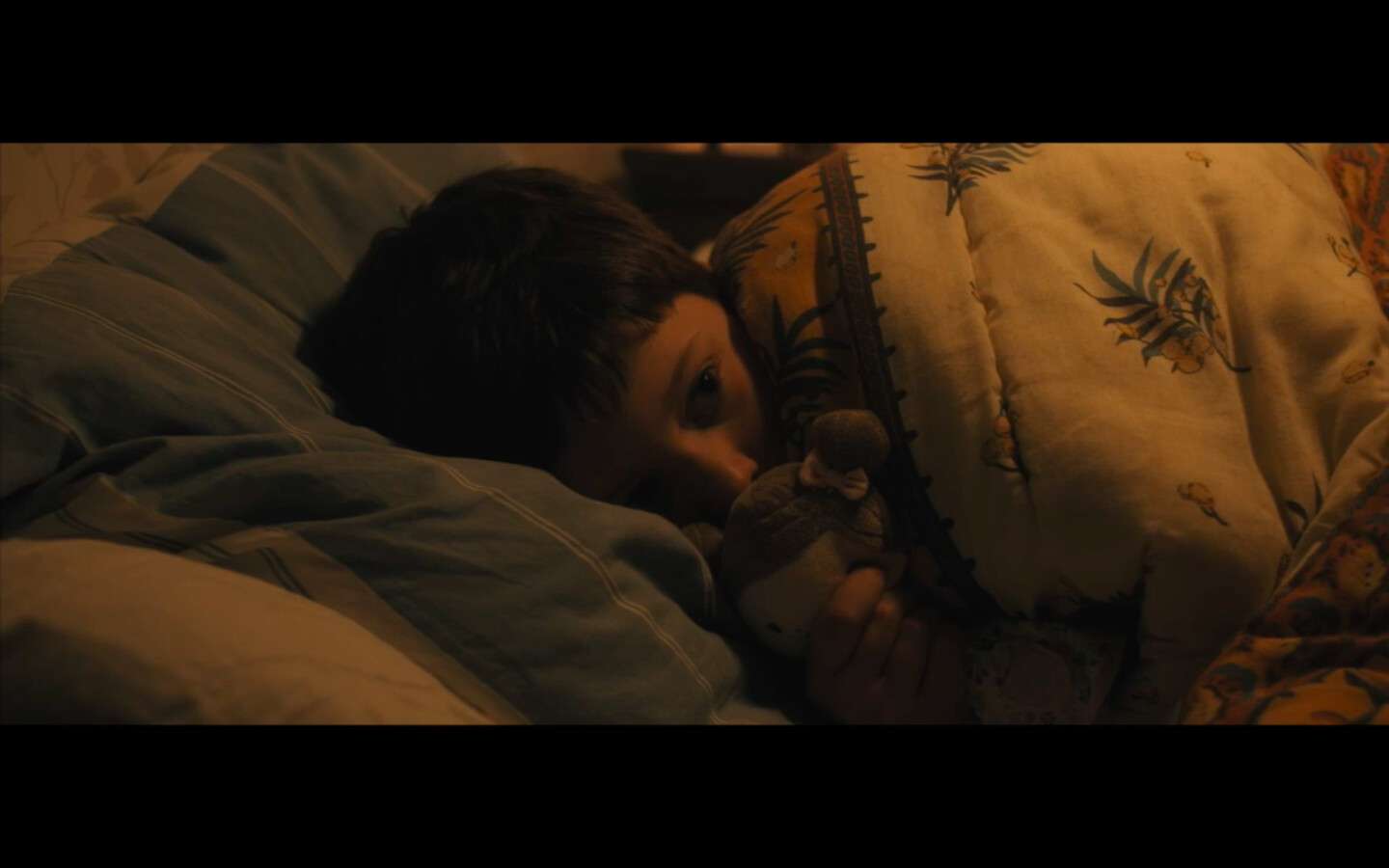
The Silent Victim: Valentin
While the central conflict revolves around David and Zina, Valentin, Zina’s brother, provides the story’s emotional core. Ostracized for carrying a doll—a reminder of the nurturing he never received in the orphanage—Valentin symbolizes the collateral damage of a world that neglects the delicate. The film’s climax shifts from the raw screams of domestic discord to a haunting, quiet tragedy as Valentin’s farewell letter is unveiled. His choice to “take flight from this world” because it “is not meant for me” serves as a heart-wrenching conclusion to the narrative.
Ratings
- Direction: ★★★★☆
- Screenplay: ★★★★☆
- Acting: ★★★★★
- Emotional Impact: ★★★☆ ☆
- Overall Rating: 3/5 Stars
In summary, “To the World’s End” is an unflinching portrayal of the complexities of love intertwined with trauma. It offers no easy resolutions, concluding instead with a chilling sense of loss.